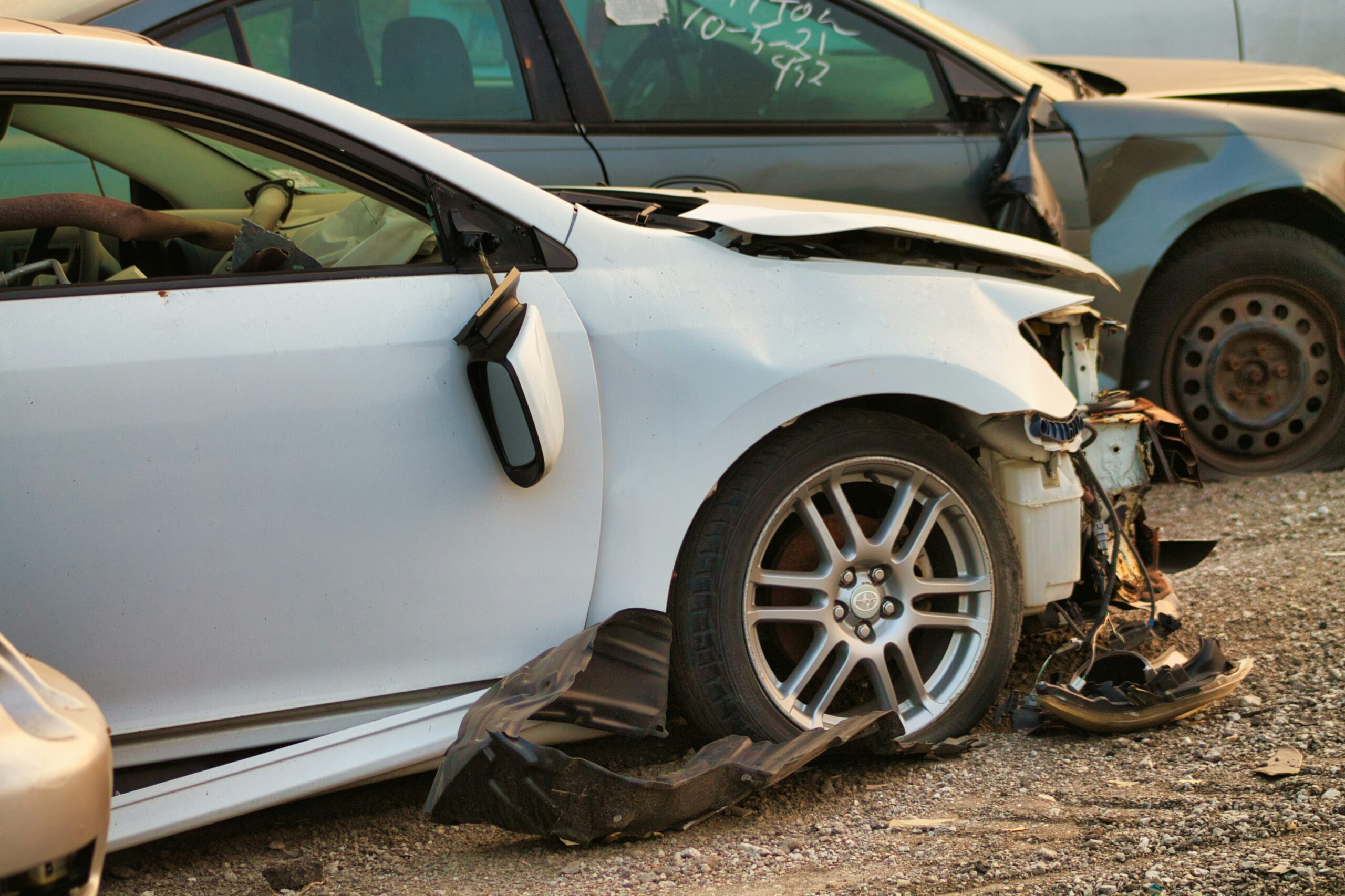
Many firearm owners spend time choosing the right handgun and holster, but few stop to consider what could happen to a loose firearm during a car accident.
Even a relatively minor collision can cause unsecured objects inside your vehicle to become dangerous projectiles. A firearm that isn’t properly secured can move unpredictably during a crash, making it difficult to recover and increasing the risk of damage or injury.
Understanding the risks of a loose firearm during a car accident is an important part of responsible firearm ownership and safe vehicle carry.
Why Loose Objects Become Dangerous in a Crash
When a vehicle suddenly stops, everything inside continues moving until something stops it.
That includes:
- Cell phones
- Water bottles
- Laptops
- Toolboxes
- Firearms
A loose firearm during a car accident can slide, bounce, or be thrown across the vehicle depending on the severity and angle of impact.
Even at relatively low speeds, unsecured objects can experience tremendous forces.
Can a Loose Firearm Accidentally Discharge?
Modern firearms are designed with numerous safety features and are generally engineered to resist accidental discharge from impacts alone.
However, that doesn’t mean a loose firearm during a car accident is harmless.
Potential risks include:
- The firearm becoming inaccessible after the collision
- Damage to the firearm or holster
- Increased confusion for first responders
- Occupants reaching unsafely for the firearm after the crash
- The firearm ending up outside the vehicle if a door opens during the collision
The primary concern is not that the firearm will automatically fire, but that it is no longer secure or under your control.
Why Secure Retention Matters
The safest approach is preventing unnecessary movement in the first place.
A properly secured vehicle carry setup helps keep the firearm:
- Stable
- Consistently positioned
- Accessible when appropriate
- Less likely to move during sudden braking or collisions
Many firearm owners choose a dedicated mounting system for exactly this reason.
Explore available vehicle mounting options:
Common Places People Leave Firearms
Many of the problems associated with a loose firearm during a car accident begin with improper storage.
Common locations include:
- Under the driver seat
- Center console
- Glove box
- Door pocket
- Cup holder
- Loose inside a backpack
While these locations may seem convenient, they often provide little protection against movement during a collision.
Vehicle Carry Isn’t Just About Accessibility
Many people focus exclusively on draw speed.
But a quality vehicle carry system should also provide:
- Secure retention
- Consistent positioning
- Reduced movement
- Improved organization
The best vehicle carry setup balances accessibility with safety.
Learn more:
Inspect Your Setup Regularly
Regular inspections help ensure your equipment continues performing properly.
Review your:
- Mounting hardware
- Retention
- Fasteners
- Accessibility
Read more:
Install Your Equipment Correctly
Even high-quality equipment can perform poorly if it isn’t installed properly.
Review the official installation guide:
You should also verify your holster compatibility:
Understand Your State’s Vehicle Carry Laws
While secure storage is important everywhere, firearm laws vary significantly from state to state.
Before traveling, review:
Vehicle Carry Laws by State
Federal firearm transportation information:
State firearm law reference:
Additional Resources
How to Secure a Firearm in a Vehicle
Vehicle Carry Mistakes Gun Owners Make
Can You Carry a Loaded Gun in Your Car?
Best Holster Setup for Road Trips and Long Drives
Frequently Asked Questions
Can a loose firearm move during a car accident?
Yes. Like any unsecured object, a firearm can shift or become airborne during a collision depending on the force of impact.
Will a firearm discharge during a crash?
Modern firearms are generally designed with safety mechanisms that reduce the likelihood of firing from impact alone. However, a loose firearm during a car accident still presents significant safety concerns because it may no longer be secure or under your control.
What is the safest way to transport a firearm in a vehicle?
The safest approach is using a properly installed holster or vehicle-mounted system that securely retains the firearm while complying with applicable laws.
Why shouldn’t I leave my firearm loose inside my vehicle?
Loose firearms can shift during hard braking, sudden turns, or collisions, making them difficult to access safely and increasing the risk of damage or confusion after an accident.
Final Thoughts
A loose firearm during a car accident creates unnecessary risks that are easy to avoid with proper planning.
By using a secure vehicle-mounted holster, following proper installation procedures, and routinely inspecting your equipment, you can help ensure your firearm remains stable, protected, and under your control—even if the unexpected happens.