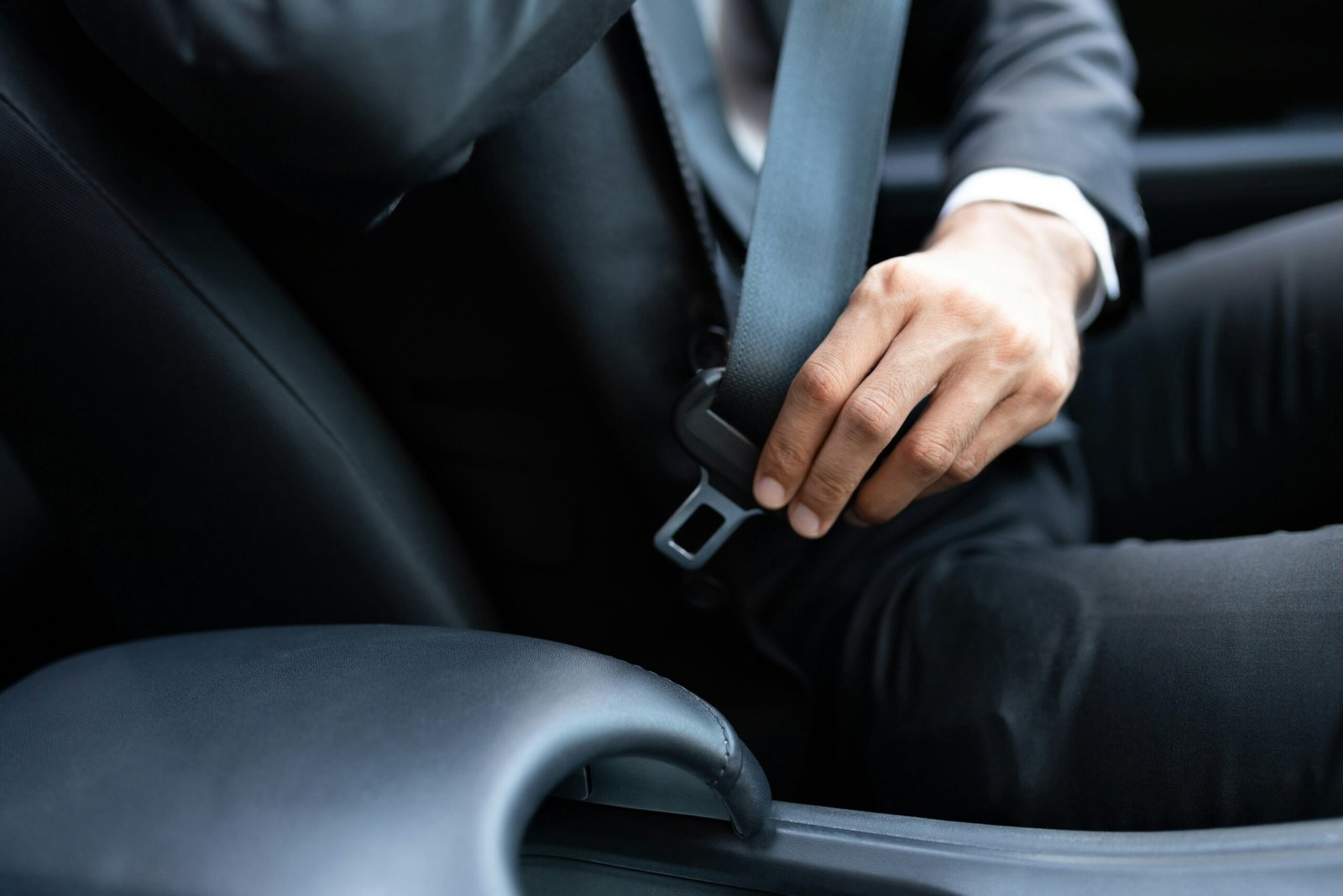
Does a seat belt interfere with concealed carry while you’re driving?
For many firearm owners, the answer can be yes. A carry position that feels perfectly comfortable while standing or walking can feel completely different once you sit in a vehicle and buckle your seat belt.
The lap belt may cross your normal carry position. The seat can press your holster against your body. Clothing can bunch around the firearm. Even reaching the same location can become more difficult once you’re seated behind the steering wheel.
That doesn’t mean you should change how you wear your seat belt. Your seat belt should always be worn correctly.
Instead, your vehicle carry setup should account for the fact that driving creates a very different environment from carrying while standing.
Here’s what to consider when a seat belt interfere with concealed carry becomes an issue in your vehicle.
Why Does a Seat Belt Interfere With Concealed Carry?
Most traditional concealed-carry positions are designed primarily around standing and walking.
Driving changes your body position.
Your hips bend, your torso moves closer to your waist, the seat surrounds part of your body, and a seat belt crosses your lap and chest.
Depending on your carry position, that can create pressure around the:
- Holster
- Firearm
- Belt clips
- Waistband
- Grip
The problem can become more noticeable during longer drives.
Highway Holster has also identified seat-belt interference and seated carry as reasons some drivers choose a dedicated vehicle mounting system rather than keeping everything at their waist while driving. Highway Holster
Never Compromise Proper Seat Belt Use
This point comes first.
You shouldn’t reposition, route, loosen, or improperly wear your seat belt simply to accommodate a firearm or holster.
Your vehicle carry setup should work around the vehicle’s safety equipment, not the other way around.
That includes keeping the firearm, holster, and mounting equipment from interfering with:
- The seat belt receiver
- Lap belt
- Shoulder belt
- Airbags
- Seat controls
- Steering
- Pedals
If your current setup interferes with the normal operation of the vehicle, reconsider the setup rather than compromising the safety equipment.
Why Waist Carry Can Feel Different Behind the Wheel
Someone who comfortably carries for an entire day may still notice discomfort within an hour of driving.
That’s because sitting changes where pressure is applied.
Depending on the carry position, you might experience:
- The firearm pressing into your abdomen
- The holster pressing into your hip
- The seat pushing against the firearm
- The seat belt crossing the holster
- Clothing becoming trapped around the setup
This can be especially noticeable on long road trips.
We’ve covered longer drives separately in:
Best Holster Setup for Road Trips and Long Drives
https://highwayholster.com/best-holster-setup-for-road-trips-and-long-drives/
Appendix Carry and Seat Belts
Appendix carry places the firearm toward the front of the waistband.
When seated, your torso and legs naturally move closer together, which can change how the firearm and holster sit against your body.
Your lap belt also crosses the lower torso.
Depending on your body type, vehicle seat, firearm, and holster, that combination can feel very different from standing.
Again, the solution should never be wearing the seat belt incorrectly.
If your normal carry position doesn’t work comfortably while driving, evaluate another lawful and appropriately secured configuration.
Strong-Side Carry While Driving
Strong-side carry can create different issues.
Instead of pressure against the front of your body, you may have:
- The seat pressing against the holster
- The seat belt receiver near the firearm
- Limited space beside the center console
- Reduced movement while seated
The exact experience varies considerably between vehicles.
A wide pickup seat and a narrow sports-car seat, for example, can create completely different environments for the same person using the same holster.
That’s why vehicle-specific fit matters.
Read:
Does a Vehicle Gun Holster Fit Every Car?
https://highwayholster.com/does-a-vehicle-gun-holster-fit-every-car-what-to-check-before-buying/
Accessibility Changes Once You’re Buckled In
Comfort isn’t the only consideration when a seat belt interfere with concealed carry.
Your ability to reach your normal carry position may change too.
Once seated, several things can restrict movement:
- The steering wheel
- Center console
- Seat bolsters
- Armrests
- Seat belt
- Heavy clothing
A location that is easy to reach while standing may require considerably more movement from a seated position.
This is one reason it’s important to evaluate a vehicle carry setup from your actual driving position instead of standing beside the vehicle.
Your Driving Position Should Come First
Don’t adjust your seat into an awkward position simply because it makes your firearm easier to reach.
Your driving position needs to allow you to safely operate the vehicle.
You should be able to comfortably reach the pedals, steering wheel, controls, and mirrors while maintaining proper seat belt positioning.
Once your seat is correctly adjusted for driving, evaluate your carry setup around that position.
We’ve covered this in more detail here:
What Is the Best Position to Carry a Gun While Driving?
https://highwayholster.com/what-is-the-best-position-to-carry-a-gun-while-driving/
How a Vehicle-Mounted Holster Changes the Equation
One reason some firearm owners use a dedicated vehicle mount is to separate their driving setup from their normal on-body carry position.
The Highway Holster Multi-Mount is designed to use available space beside the seat and between the seat and console. It attaches around existing seat components and moves with the seat when the seat position changes. Highway Holster
That means the mounting location remains associated with the seat rather than being permanently attached to a stationary part of the dashboard or console.
Explore the Highway Holster Multi-Mount:
https://highwayholster.com/product/highway-holster-multi-mount/
The Mount Shouldn’t Interfere With the Seat Belt Either
Moving the firearm away from your waistband doesn’t mean you can ignore the seat belt receiver.
The mounting system itself needs to coexist with the vehicle’s safety equipment.
Highway Holster requires a vehicle seat with a seat belt receiver and usable space beside the seat and console for installation. Highway Holster
After installation, make sure the seat belt can:
- Buckle normally.
- Release normally.
- Sit in its intended position.
- Operate without contacting or becoming trapped by mounting equipment.
If the mount interferes with the normal function of the seat belt, revisit the installation before driving.
Check the Setup With the Seat Belt Actually Buckled
Don’t evaluate your vehicle holster while standing outside the car.
Sit down.
Close the door.
Adjust your seat.
Buckle your seat belt correctly.
Then evaluate the space around your vehicle carry setup.
This can reveal issues that aren’t obvious during installation.
You may discover that:
- The buckle sits closer to the mount than expected.
- Your leg contacts the holster.
- The console reduces available space.
- Your normal seat position changes the mounting angle.
- The passenger configuration affects available room.
Testing the setup under normal driving conditions gives you a much more realistic picture.
What Happens When You Adjust the Seat?
Seat adjustment adds another variable.
If the mount is attached to a stationary part of the vehicle, moving the seat changes your position relative to the holster.
The Highway Holster Multi-Mount instead contours around the vehicle seat base and attaches to existing seat components. Highway Holster says the mount moves with the seat as the seat is adjusted. Highway Holster
We’ve created a full article about this:
Can Your Gun Holster Move When You Adjust Your Car Seat?
https://highwayholster.com/gun-holster-move-when-you-adjust-your-car-seat/
This is particularly relevant in vehicles shared by drivers of different heights.
Don’t Wedge a Holster Between the Seat and Console
If your normal on-body carry position becomes uncomfortable, simply wedging a holstered firearm between the seat and center console isn’t the same as using a secured mounting system.
Highway Holster specifically identifies wedging a holstered handgun between seats as one of the common vehicle-carry practices its Multi-Mount is intended to replace. Highway Holster
A loose or friction-held setup can shift during:
- Braking
- Turns
- Rough roads
- Seat adjustment
- A collision
For more information:
What Happens to a Loose Firearm During a Car Accident?
https://highwayholster.com/what-happens-to-a-loose-firearm-during-a-car-accident/
Make Sure the Holster Still Provides Proper Retention
Changing your vehicle setup doesn’t eliminate the need for an appropriate holster.
The firearm should remain properly retained and the trigger appropriately protected.
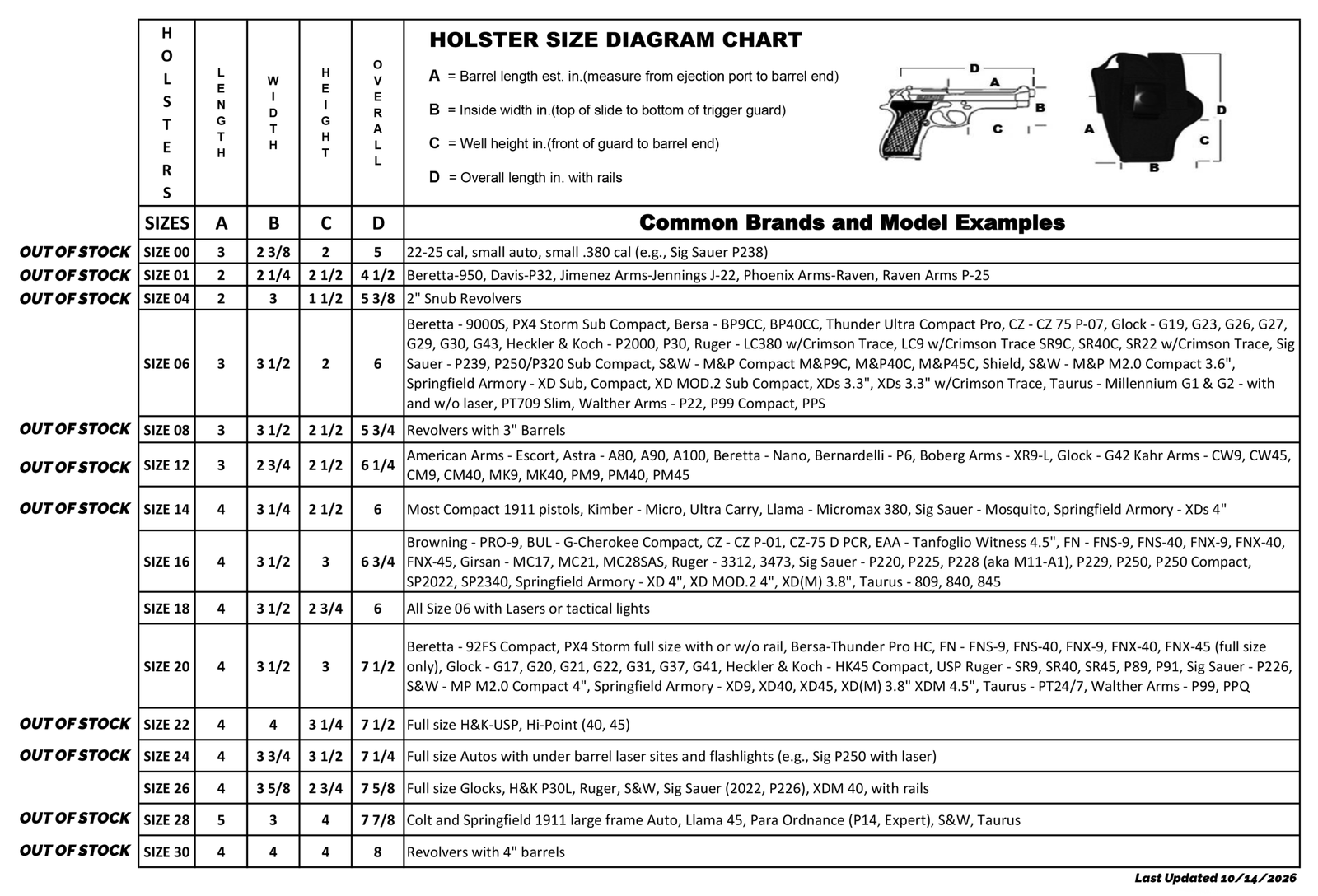
Highway Holster’s Multi-Mount is designed for single spring-clip-style holsters and specifies compatibility with a 1.25 x 1.75-inch clip. The mount itself adjusts from 16 to 21 inches. Highway Holster
Before ordering, check the compatibility information:
Highway Holster Size Guide:
https://highwayholster.com/wp-content/uploads/2024/12/AMAZON-HOLSTER-LIST-04.19.2022.pdf
Think About Long Drives Differently
A setup that feels fine during a ten-minute trip may become uncomfortable after two hours.
That’s particularly relevant if a seat belt interfere with concealed carry is already causing pressure around your normal carry position.
Long drives mean more time:
- Sitting in one position
- Wearing the seat belt
- Pressed against the seat
- Entering and exiting the vehicle
- Adjusting your seating position
If you routinely drive for several hours, evaluate your setup over realistic driving periods rather than assuming a short test tells you everything.
What About Jackets and Heavy Clothing?
Seasonal clothing can change your vehicle carry setup too.
A jacket, sweatshirt, or multiple layers can bunch underneath a seat belt and around a holster.
That may change both comfort and accessibility.
Your summer vehicle setup may therefore feel different during winter.
When your clothing changes significantly, reevaluate how your seat belt, seat, and carry setup interact.
Passengers Can Change the Setup Too
Passengers introduce another variable.
Someone may adjust the passenger seat, place bags beside the console, or need access to areas around the center of the vehicle.
If your vehicle carry setup extends toward the passenger side, make sure it doesn’t interfere with normal passenger movement or provide inappropriate access to the firearm.
Read:
Gun in Car With Passengers: What Should You Consider?
https://highwayholster.com/gun-in-car-with-passengers-what-should-you-consider/
Inspect Your Setup Regularly
Vehicle interiors experience constant vibration, movement, heat, cold, and everyday wear.
Even if your setup initially works perfectly with the seat belt, inspect it periodically.
Check:
- Mount stability
- Holster retention
- Straps and attachment points
- Seat movement
- Seat belt operation
- Clearance around the console
- Wear on contact points
Highway Holster’s current installation materials describe a system using a mounting rail, strap mount, support strut, elastic hook cords, and Velcro straps, so those attachment points should remain part of your routine inspection. Highway Holster
For more:
Vehicle Carry Setup Maintenance: How Often Should You Check Your Setup?
https://highwayholster.com/vehicle-carry-setup-maintenance-how-often-should-you-check-your-setup/
Vehicle Carry Laws Still Matter
Changing your carry configuration because of comfort or seat belt interference doesn’t change the law.
Vehicle firearm laws vary by jurisdiction and can address issues such as:
- Loaded firearms
- Concealed firearms
- Permit requirements
- Vehicle storage
- Accessibility
- Restricted locations
Review:
Vehicle Carry Laws by State (2026 Guide)
https://highwayholster.com/vehicle-carry-laws-by-state-2026-guide/
For additional information:
ATF Firearms Resources:
https://www.atf.gov/firearms
Handgunlaw.us:
https://handgunlaw.us/
Always verify current state and local requirements through official government sources before relying on general guidance.
Frequently Asked Questions
Does a seat belt interfere with concealed carry?
A seat belt interfere with concealed carry issue can occur when the lap belt, vehicle seat, console, or seated body position contacts the firearm or holster. The experience varies based on carry position, body type, vehicle, and equipment.
Should I put my seat belt behind my firearm?
Your seat belt should always be worn correctly according to the vehicle manufacturer’s instructions. Don’t compromise proper seat belt positioning to accommodate a firearm or holster.
Why is my holster comfortable standing but uncomfortable while driving?
Sitting changes the angle of your hips and torso while the vehicle seat and seat belt add additional pressure. That can make a comfortable standing carry position feel very different behind the wheel.
Can a vehicle holster help with seat belt interference?
A properly installed vehicle-mounted holster creates a separate mounting position near the vehicle seat instead of relying entirely on a waistband position while driving. The configuration still needs to comply with applicable laws and should not interfere with the seat belt or other vehicle equipment.
Does Highway Holster move when I adjust my seat?
Yes. Highway Holster states that its Multi-Mount contours around the seat base and attaches to existing seat components so the mount moves with the seat. Highway Holster
Does Highway Holster require drilling?
No. Highway Holster says the Multi-Mount requires no drilling or permanent alterations to the vehicle. Highway Holster
Should I test my vehicle holster while wearing my seat belt?
Yes. Evaluate the installation from your normal driving position with the seat adjusted properly and the seat belt correctly buckled. Make sure the mounting system doesn’t interfere with the seat belt receiver or normal vehicle operation.
Final Thoughts
If a seat belt interfere with concealed carry is making your normal carry position uncomfortable while driving, the answer isn’t to compromise how you wear your seat belt.
Instead, evaluate the entire driving environment.
Your seat position, center console, clothing, holster, seat belt, and vehicle layout all affect how a carry setup feels once you’re sitting behind the wheel.
For compatible vehicles, a dedicated seat-mounted system such as the Highway Holster Multi-Mount provides another option. The Multi-Mount uses otherwise unused seat and console gap space, requires no permanent vehicle modifications, and moves with the seat when the seat is adjusted. Highway Holster
Most importantly, build your firearm setup around safe vehicle operation, not the other way around.
Explore the Highway Holster Multi-Mount:
https://highwayholster.com/product/highway-holster-multi-mount/
Shop Highway Holster:
https://highwayholster.com/shop/