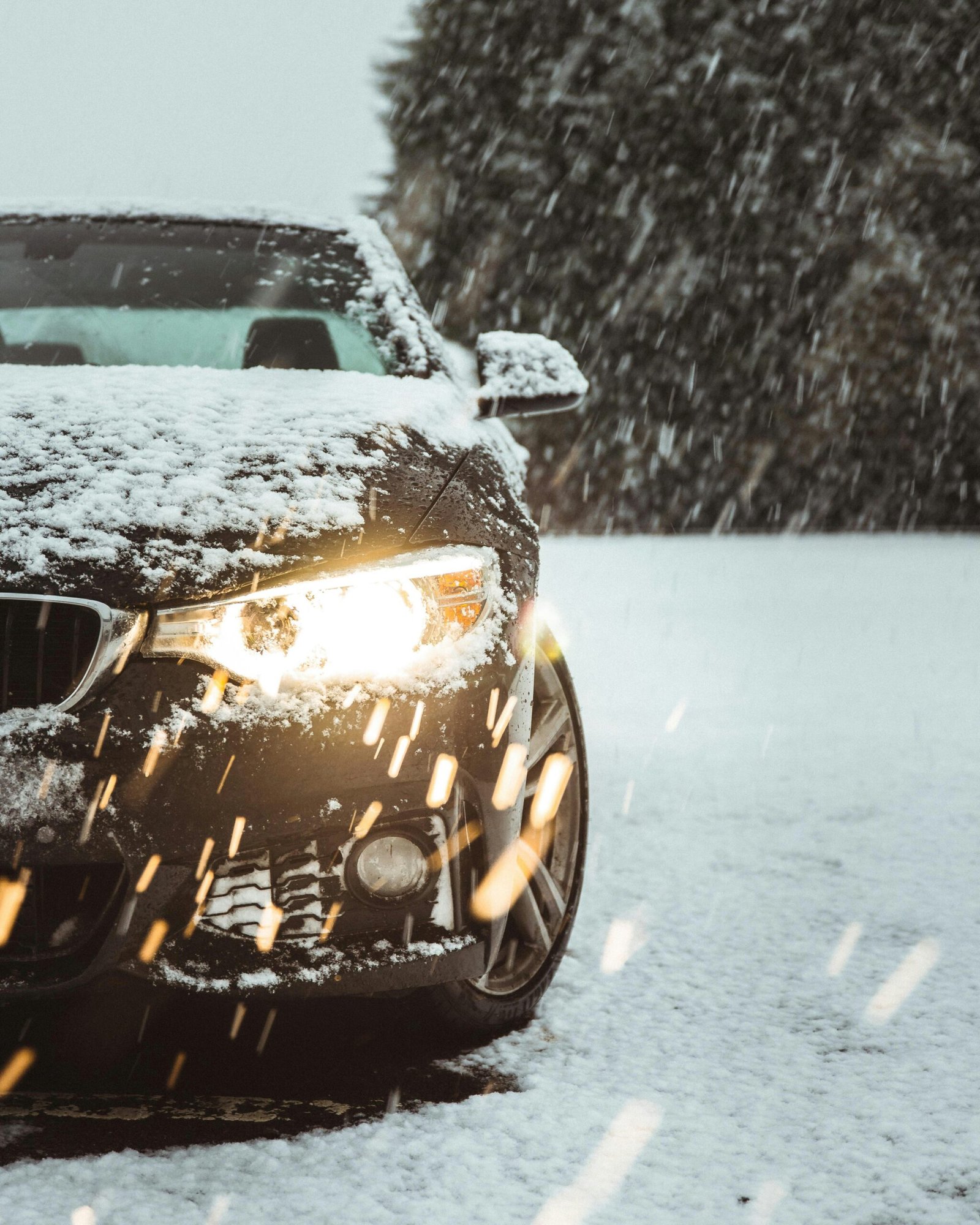
Cold weather brings a different set of challenges for firearm owners who regularly travel with their equipment. While summer raises concerns about extreme heat, winter introduces freezing temperatures, moisture, condensation, and changing conditions inside your vehicle.
But does cold weather affect a gun in a car?
The short answer is that cold weather can affect certain aspects of firearm performance, maintenance, and storage. However, the temperature alone doesn’t necessarily mean a modern firearm will become damaged or unreliable.
The bigger concerns often involve lubricants, moisture, ammunition storage conditions, holster materials, and how frequently equipment moves between cold and warm environments.
If you regularly carry a firearm in your vehicle during winter, understanding these factors can help you maintain your equipment and recognize potential problems before they develop.
Does Cold Weather Affect a Gun in a Car?
Yes, cold weather can affect a firearm and its surrounding equipment, although the extent depends on the temperature, firearm design, maintenance products, and exposure conditions.
A firearm inside a parked vehicle may experience temperatures well below freezing, particularly in northern states or mountainous regions.
Potential concerns include:
- Lubricants becoming thicker in extreme cold
- Moisture forming during temperature changes
- Condensation contributing to corrosion
- Certain materials becoming less flexible
- Batteries losing performance in cold conditions
- Snow, water, and road salt contacting equipment
The important distinction is between temporary cold exposure and repeated exposure without appropriate maintenance.
A properly maintained firearm may tolerate cold conditions well, but that doesn’t mean its condition should be ignored.
How Cold Can the Inside of a Vehicle Get?
Unlike summer, when a closed vehicle can become significantly hotter than the outside air, a parked vehicle in winter generally cools toward the surrounding outdoor temperature over time.
If your vehicle remains outside overnight in freezing conditions, equipment inside may eventually become very cold.
For example, a vehicle parked outside during a winter storm may expose its interior contents to subfreezing temperatures for many hours.
The exact temperature depends on the weather, insulation, sunlight, parking location, and how long the vehicle remains stationary.
This is why drivers in colder climates should consider environmental exposure as part of their firearm maintenance routine.
How Cold Weather Affects Firearm Lubricants
One of the most relevant mechanical considerations is lubrication.
Firearm lubricants are designed to reduce friction and protect moving components. However, different formulations behave differently as temperatures decrease.
Some lubricants become more viscous in cold conditions.
In extreme cases, an unsuitable lubricant may create additional resistance in moving components.
That doesn’t mean every firearm lubricant will fail during winter.
Many modern products are specifically formulated for a broad operating-temperature range.
The best approach is to follow the recommendations provided by your firearm manufacturer and use maintenance products appropriate for the conditions in which the firearm will be used.
Avoid assuming that a lubricant suitable for a warm climate is automatically ideal for prolonged exposure to extreme winter temperatures.
Can Condensation Form on a Cold Firearm?
Yes, and condensation is one of the most overlooked winter maintenance concerns.
Imagine leaving a firearm in a cold vehicle for several hours before bringing it into a warm, humid building.
The firearm’s metal surfaces may remain cold even after the surrounding air warms.
When warm, moisture-containing air contacts a sufficiently cold surface, condensation can form.
This is similar to moisture collecting on the outside of a cold beverage.
Repeated exposure to moisture can contribute to corrosion if equipment isn’t properly maintained.
If you’re asking does cold weather affect a gun in a car, this cycle of cold exposure followed by warm, humid air may deserve more attention than cold temperatures alone.
Why Condensation Matters for Corrosion
Firearms contain metal components that can be vulnerable to corrosion under certain conditions.
Protective finishes and regular maintenance help reduce that risk, but moisture can still become a concern.
Potential warning signs include:
- Surface discoloration
- Rust spots
- Moisture around metal components
- Changes in protective finishes
- Corrosion around exposed hardware
If your equipment repeatedly moves between freezing outdoor conditions and heated indoor environments, inspect it according to the manufacturer’s maintenance recommendations.
Avoid leaving moisture trapped inside a case, holster, or storage compartment.
What About Ammunition in Freezing Temperatures?
Ammunition storage deserves attention in both summer and winter.
The Sporting Arms and Ammunition Manufacturers’ Institute (SAAMI) recommends storing ammunition in a cool, dry location and keeping it in its original packaging or packaging specifically designed for ammunition.
The emphasis on dry conditions is particularly relevant during winter.
Moisture, condensation, and improper long-term storage can create problems regardless of whether the outdoor temperature is hot or cold.
Cold exposure does not automatically mean ammunition is damaged, but ammunition manufacturers may specify storage and operating conditions for their products.
External resource: SAAMI Recommendations for Safe Ammunition Storage and Handling
Can Cold Weather Affect a Gun Holster?
Potentially.
Holsters are manufactured using different materials, including Kydex, leather, nylon, and molded polymers.
These materials may respond differently to temperature changes.
Some plastics and polymers become less flexible as temperatures decrease. Leather may also be affected by repeated exposure to moisture and drying.
The exact impact depends on the material formulation, construction, and manufacturer’s specifications.
After significant winter exposure, inspect your holster for:
- Cracks or visible damage
- Changes in retention
- Loose attachment hardware
- Stiff or damaged clips
- Moisture buildup
- Changes in fit
A holster should continue to fit its intended firearm correctly and protect the trigger.
If its condition or retention changes unexpectedly, discontinue using it until the issue is resolved.
Does Cold Weather Affect the Highway Holster Multi-Mount?
The Highway Holster Multi-Mount uses molded engineered ABS plastic components, neoprene grip foam, nylon Velcro straps, and other mounting hardware.
These materials are designed to work together as part of the seat-mounted system.
However, Highway Holster does not publish a specific minimum operating-temperature rating on its product page.
That means it would be inaccurate to claim that the system has been tested for every possible freezing condition.
Instead, owners should periodically inspect the mounting system, particularly after significant temperature changes or prolonged winter exposure.
Explore the Highway Holster Multi-Mount.
Inspect Your Mounting Components During Winter
A vehicle mounting system experiences more than just temperature changes.
Vibration, seat movement, moisture, and normal vehicle use can affect the condition of its components over time.
The Highway Holster Multi-Mount includes:
- Mounting rail
- Strap mount
- Support strut
- Cinch straps
- Elastic hook cords
- Velcro attachment components
During winter, inspect these parts for damage, looseness, unusual stiffness, and changes in fit.
If an attachment component appears damaged or no longer holds securely, address the problem before continuing to use the mount.
You can review the complete Highway Holster Installation Instructions.
For additional maintenance guidance, read our article on how often to check your vehicle carry setup.
Snow, Road Salt, and Moisture Create Additional Concerns
Winter weather can introduce moisture and debris into your vehicle.
Snow-covered boots, wet clothing, slush, and road salt may all come into contact with the vehicle interior.
Road salt is particularly relevant because salt-contaminated moisture can accelerate corrosion on susceptible metal surfaces.
Equipment positioned near the floor or seat base may be exposed to moisture brought into the vehicle on shoes and clothing.
Check the surrounding area regularly, particularly if your vehicle’s floor mats or carpeting frequently become wet.
Keeping the mounting area clean and dry helps reduce unnecessary exposure to moisture and debris.
What About Electronic Optics and Accessories?
Some firearm owners use electronic optics or other battery-powered accessories.
Cold weather can temporarily reduce battery performance, depending on battery chemistry, temperature, and device design.
This is not unique to firearms. The same general issue affects many battery-powered electronic devices.
If your equipment uses batteries, review the manufacturer’s recommended operating-temperature range.
Inspect batteries and accessories according to the manufacturer’s instructions, particularly before extended travel in very cold conditions.
Should You Leave a Firearm in a Cold Car Overnight?
A cold vehicle isn’t automatically an appropriate firearm storage location.
Even if temperature-related damage is unlikely, unattended vehicle storage introduces additional considerations.
These include theft, unauthorized access, local firearm laws, and secure-storage requirements.
A vehicle-mounted holster is not the same as a locked firearm safe.
If you need to store a firearm, use a lawful, appropriate storage method that prevents unauthorized access.
We’ve covered this topic in more detail:
Can You Legally Keep a Gun in Your Car Overnight?
Is It Safe to Leave a Gun in Your Car?
Does Cold Weather Affect a Gun in a Car During Road Trips?
Long-distance winter travel introduces several additional variables.
You may encounter:
- Freezing temperatures
- Heated vehicle interiors
- Snow and ice
- Humid hotel rooms
- Repeated vehicle entry and exit
- Changing weather conditions across state lines
Each transition may expose your equipment to different temperatures and moisture levels.
Planning for those conditions is an important part of responsible winter travel.
For more on long-distance vehicle carry, read:
Best Holster Setup for Road Trips and Long Drives
If you’re traveling between states, remember that firearm transportation and carry laws may also change along your route.
Can You Keep a Vehicle Holster Installed All Winter?
In many circumstances, a properly installed vehicle mounting system can remain in the vehicle, subject to the manufacturer’s instructions and the condition of its components.
However, equipment shouldn’t be ignored simply because it isn’t being used every day.
Periodically inspect the mount for wear, movement, moisture, and damage.
Highway Holster’s Multi-Mount is removable and doesn’t require drilling or permanent alterations to the vehicle.
That gives owners flexibility if they prefer to remove the system for inspection, cleaning, or storage.
Learn more in our guide to vehicle holsters without drilling.
What Happens When You Turn on the Heat?
Your vehicle’s heater warms the interior air, but equipment surfaces don’t necessarily warm at the same rate.
A firearm, holster, or metal mounting component may remain cold for some time after the cabin becomes comfortable.
If warmer air contains sufficient moisture, condensation may develop on colder surfaces.
This is another reason to monitor moisture rather than assuming that turning on the heater immediately eliminates every winter-related concern.
Avoid exposing equipment to unnecessary moisture and follow the manufacturer’s maintenance instructions.
Why a Consistent Mounting Position Still Matters
Winter clothing and accessories can change how you interact with your vehicle.
Bulky jackets, gloves, and additional layers may affect comfort and movement around the seat and console.
A dedicated mounting platform can provide a consistent location for a compatible holster, but the setup must still allow normal vehicle operation and prevent unauthorized access.
Highway Holster’s Multi-Mount uses the available gap beside the vehicle seat rather than requiring permanent modifications to the dashboard or console.
The mount is also designed to move with the seat when the seat is adjusted.
Read more about how seat adjustment affects a vehicle holster.
Winter Vehicle Carry Maintenance Checklist
If you regularly drive in freezing temperatures, a simple inspection routine can help you identify equipment problems.
Inspect the Firearm
Look for moisture, corrosion, or unusual changes in condition. Follow the manufacturer’s maintenance recommendations.
Inspect the Ammunition
Store ammunition according to the manufacturer’s instructions and avoid prolonged exposure to moisture.
Inspect the Holster
Confirm that the material, hardware, and retention remain in good condition.
Inspect the Mount
Check straps, elastic cords, mounting components, and attachment points for looseness or damage.
Check the Vehicle Interior
Look for moisture, snow, road salt, or debris around the mounting area.
Review Your Storage Routine
Don’t treat an unattended vehicle as a substitute for secure firearm storage.
Vehicle Carry Laws Still Apply During Winter
Cold weather doesn’t change the legal requirements for carrying or transporting firearms.
Depending on the jurisdiction, laws may address:
- Loaded firearms
- Concealed carry
- Vehicle transportation
- Permit requirements
- Secure storage
- Restricted locations
If you’re traveling through multiple states, research the laws for each jurisdiction along your route.
Additional resources:
Highway Holster Vehicle Carry Laws by State Guide
Always verify current legal requirements through official state and local government sources.
Frequently Asked Questions
Does cold weather affect a gun in a car?
Yes. If you’re wondering does cold weather affect a gun in a car, freezing temperatures can influence lubricant behavior, battery performance, and certain materials. Moisture and condensation during temperature changes can also contribute to corrosion. The effects depend on the equipment and conditions.
Can freezing temperatures damage a firearm?
Freezing temperatures don’t automatically damage a modern firearm. However, extreme cold, unsuitable lubricants, moisture, and neglected maintenance may create problems. Follow your firearm manufacturer’s recommendations.
Can ammunition stay in a cold vehicle?
Cold exposure alone doesn’t necessarily damage ammunition, but prolonged vehicle storage isn’t ideal. SAAMI recommends storing ammunition in a cool, dry location and protecting it from improper environmental conditions.
Can condensation cause a firearm to rust?
Yes. Moisture that collects on metal surfaces can contribute to corrosion. Repeated movement between cold and warm environments may increase condensation concerns.
Can a Kydex holster crack in cold weather?
Certain thermoplastic materials may become less flexible at low temperatures, but actual performance depends on the material formulation and manufacturer. Inspect any holster that shows cracking, damage, or changes in retention.
Does Highway Holster work in freezing temperatures?
Highway Holster designs its Multi-Mount for compatible vehicle interiors, but its product page does not specify a minimum operating-temperature rating. Inspect the mounting components and contact the manufacturer if you need confirmation for extreme conditions.
Should I remove my vehicle holster during winter?
Not necessarily. Follow the manufacturer’s guidance and inspect the system regularly. The Highway Holster Multi-Mount can be removed without permanent vehicle modifications when needed.
Final Thoughts
So, does cold weather affect a gun in a car?
It can, but freezing temperatures alone don’t automatically mean your firearm will become damaged.
The more important considerations involve proper lubrication, moisture, condensation, corrosion prevention, ammunition storage, and the condition of your holster and mounting equipment.
For Highway Holster owners, winter is a good time to inspect the Multi-Mount’s straps, elastic cords, support strut, mounting rail, and attachment points.
A consistent maintenance routine can help you identify problems before they become more significant.
Most importantly, remember that a vehicle carry setup and secure unattended storage serve different purposes.
Whether you’re commuting during a cold morning or traveling through several states in winter, follow the manufacturer’s recommendations, keep your equipment properly maintained, and make responsible storage decisions.
Explore the Highway Holster Multi-Mount.