You’ve invested in your vehicle, and the last thing you want is an aftermarket accessory leaving scratches on your center console, marks on your leather seats, or holes in your interior panels.
That’s a reasonable concern, especially if you drive a newer truck, a luxury SUV, or a vehicle you plan to trade in someday.
So, can a vehicle holster damage your car?
The answer depends on the type of mounting system, where it’s installed, and how well it fits your vehicle. Some mounting systems require drilling or permanent modifications, while others use existing spaces and attachment points.
Even a removable mount can cause wear if it’s installed incorrectly, presses against delicate surfaces, or traps dirt between components.
Understanding these differences can help you protect your interior while choosing a vehicle holster setup that meets your needs.
Can a Vehicle Holster Damage Your Car?
Yes, a vehicle holster can potentially damage interior surfaces, particularly if the mounting system isn’t appropriate for the vehicle or is installed incorrectly.
Possible problems include:
- Scratches on plastic center consoles
- Pressure marks on leather or vinyl seats
- Scuffs from exposed mounting hardware
- Wear caused by repeated movement
- Damage from improper installation
- Permanent holes from drilled mounting systems
However, these issues aren’t inevitable.
A mounting system designed around existing vehicle components can reduce the need for invasive modifications.
The key is understanding how the mount contacts your vehicle and whether it remains properly positioned during normal use.
Why the Type of Vehicle Holster Mount Matters
Not all vehicle holsters attach in the same way.
Some systems use brackets secured to the dashboard, center console, or other interior surfaces.
Others rely on existing seat components or available gaps between interior panels.
The installation method matters because it determines where pressure is applied and whether the vehicle must be permanently modified.
Permanently Installed Vehicle Holster Mounts
Some aftermarket mounting systems require drilling, screws, or other permanent attachment methods.
Depending on the design, installation may leave holes or marks when the system is removed.
This may be a concern if you lease your vehicle or want to preserve its original interior.
Removable Vehicle Holster Mounts
Removable systems use alternative attachment methods that don’t necessarily require permanent changes.
The Highway Holster Multi-Mount is one example.
It is designed to fit beside compatible vehicle seats and attach using existing seat components.
The manufacturer specifies that the Multi-Mount doesn’t require drilling or permanent vehicle alterations.
That doesn’t mean every installation is automatically free from cosmetic wear, but it eliminates the need to drill mounting holes.
Can a Vehicle Holster Damage Leather Seats?
Leather seats are one of the biggest concerns for drivers who want to preserve their vehicle interiors.
Although automotive leather is designed for everyday use, repeated pressure and friction can contribute to visible wear.
A poorly positioned accessory may press against the side bolster or rub against the upholstery as the seat moves.
Over time, this could result in scuffs, indentations, or changes in the leather’s appearance.
The risk depends on several factors, including the seat material, mounting design, contact pressure, and frequency of movement.
What Should You Look for on Leather Seats?
Inspect areas where the mounting system contacts the seat.
Pay attention to:
- Indentations that remain after pressure is removed
- Scuff marks
- Discoloration
- Rubbing along seams
- Damage to stitching
- Abrasion from exposed hardware
If you notice visible wear, investigate the mounting position rather than assuming the marks are normal.
A mounting system should not require you to accept ongoing upholstery damage.
What About Cloth Seats?
Cloth upholstery presents different concerns.
Fabric seats may be less prone to showing certain types of surface scratches, but they can still experience wear from repeated rubbing.
A mounting component that moves against the seat may contribute to fabric pilling, fraying, or compression.
Dust and sand trapped between the mount and upholstery can also increase friction.
This is particularly relevant for trucks and SUVs frequently used on dirt roads, farms, or construction sites.
Regularly inspecting the contact area can help you identify problems before they become significant.
Can a Vehicle Holster Scratch Your Center Console?
Yes, depending on the installation.
Center consoles are often made from textured plastic, vinyl, leather-wrapped panels, or painted trim.
Some of these surfaces scratch relatively easily.
A metal holster clip or exposed mounting component positioned too close to the console could leave marks when the seat moves or the vehicle vibrates.
This is why clearance matters.
A mount shouldn’t be wedged so tightly between the seat and console that normal seat movement causes repeated scraping.
Before using the system, inspect the clearance around the entire installation.
If the holster or mount contacts the console, review the manufacturer’s instructions and determine whether the configuration is appropriate.
How Highway Holster Is Designed to Protect Your Interior
The Highway Holster Multi-Mount approaches installation differently from systems that attach permanently to the dashboard or console.
Rather than requiring drilled mounting holes, the Multi-Mount uses the available space beside the seat.
Its design contours around the seat base and attaches to existing seat components.
According to Highway Holster, the mounting system includes:
- Molded engineered ABS plastic components
- Neoprene grip foam
- Nylon Velcro straps
- A mounting rail
- A support strut
- Elastic hook cords
The neoprene grip foam is used as part of the mounting system’s support and fit.
These design features help explain how the product can be installed without drilling.
However, proper fitment and periodic inspection remain important.
Explore the Highway Holster Multi-Mount.
Why Neoprene Padding Matters
Neoprene is a flexible synthetic rubber material commonly used in products requiring cushioning or grip.
Highway Holster incorporates neoprene grip foam into its Multi-Mount design.
This material helps provide support within the seat-gap mounting area.
However, padding doesn’t automatically guarantee that every interior surface will remain unmarked.
If dirt becomes trapped against a padded contact point, or the mounting system applies excessive pressure, wear may still occur.
Inspect padded surfaces regularly and keep them free of abrasive debris.
Does Seat Movement Increase the Risk of Damage?
It can, particularly if the mounting system isn’t designed to accommodate seat adjustment.
Many vehicles have power seats that move forward, backward, upward, and downward.
Some also feature adjustable bolsters or lumbar support.
A mount attached to a stationary console may behave differently from one attached to the seat itself.
The Highway Holster Multi-Mount is designed to move with the seat when the seat position changes.
This helps maintain its relationship to the seat rather than leaving it fixed to the console.
However, substantial adjustments may require checking the installation.
If you share your vehicle with another driver, inspect the mount after significant seat movement.
Read more in our guide:
Can Your Gun Holster Move When You Adjust Your Car Seat?
Can a Vehicle Holster Damage Power Seat Components?
An improperly installed accessory can potentially interfere with moving seat components.
Modern power seats may contain motors, tracks, wiring harnesses, sensors, and other electrical equipment.
These components shouldn’t be obstructed or used as improvised attachment points.
Before installing a seat-mounted accessory, identify the manufacturer’s intended mounting locations.
Avoid routing straps or hardware around electrical wiring or moving mechanisms unless the installation instructions specifically permit it.
If you’re unsure about a component beneath the seat, consult your vehicle manufacturer or a qualified automotive technician.
Never modify seat wiring, sensors, or safety equipment to accommodate a holster mount.
What About Seat Belt Receivers and Airbags?
Interior protection involves more than preventing cosmetic damage.
A vehicle holster installation must not interfere with safety equipment.
Depending on the vehicle, seat-mounted safety components may include seat belt receivers, pretensioners, sensors, and side airbags.
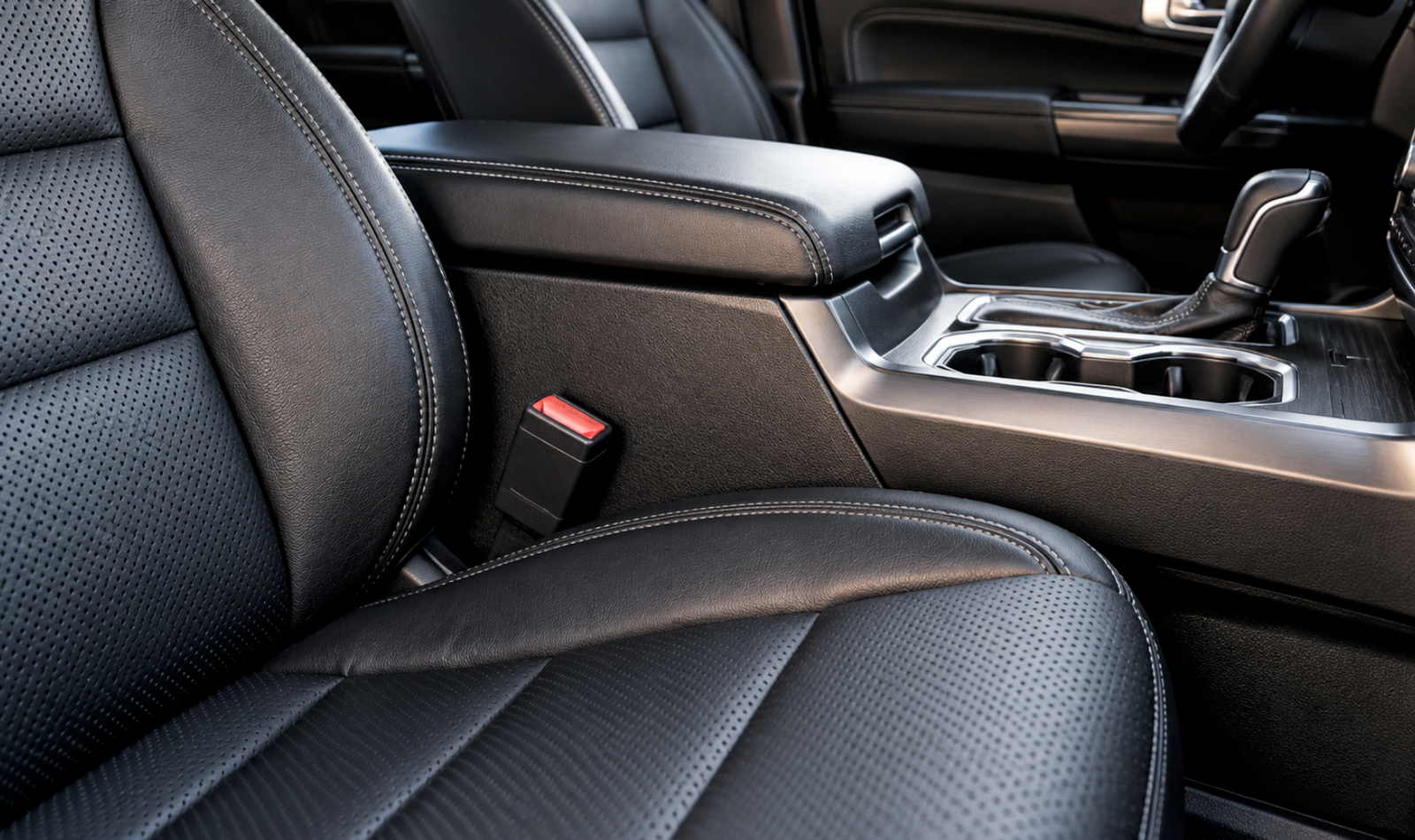
The Highway Holster Multi-Mount requires a compatible seat configuration that includes a seat belt receiver and usable space beside the seat.
However, the presence of a seat belt receiver doesn’t automatically make every installation appropriate.
Make sure the mounting system doesn’t obstruct the seat belt or interfere with any airbag deployment area.
Follow the vehicle manufacturer’s guidance regarding accessories installed near safety systems.
For additional information, read:
Does a Seat Belt Interfere With Concealed Carry While Driving?
Can a Vehicle Holster Damage Your Car If It Doesn’t Fit Correctly?
Yes.
A poor fit can create unnecessary pressure, movement, or contact with interior surfaces.
For example, a mounting system designed for a wide seat gap may not work correctly in a vehicle with a narrow console clearance.
Similarly, a system intended for individual bucket seats may not be appropriate for a bench-seat configuration.
Highway Holster identifies three basic vehicle requirements:
- A seat with a seat belt receiver
- Space beside the seat
- Space between the seat and center console
The Multi-Mount adjusts from approximately 16 to 21 inches, but compatibility still depends on the actual seat configuration.
Before ordering, review:
Does a Vehicle Gun Holster Fit Every Car? What to Check Before Buying
How to Check Your Interior Before Installation
Before installing a vehicle holster mount, examine the area beside your seat.
Look at the materials, available clearance, and location of nearby vehicle components.
Inspect the Seat Material
Determine whether your seat has leather, vinyl, cloth, or another upholstery material.
Pay particular attention to bolsters and seams.
Check the Center Console
Look for surfaces that could contact the mount or holster.
Glossy trim and painted plastics may be particularly susceptible to visible scratches.
Identify Moving Components
Inspect the seat tracks and adjustment mechanisms.
Make sure the intended mounting location doesn’t obstruct normal movement.
Locate Safety Equipment
Identify seat belt receivers, wiring, and any visible safety-system components.
Don’t assume unused-looking space is automatically safe for mounting hardware.
Review the Installation Instructions
Use the manufacturer’s approved attachment method.
Avoid improvised modifications or additional fasteners that haven’t been approved for the system.
You can review the Highway Holster Installation Guide before installing the Multi-Mount.
Why You Should Check the Mount After Installation
Even if everything looks good immediately after installation, inspect the mounting area periodically.
Vehicle accessories experience vibration, temperature changes, seat movement, and everyday wear.
Over time, these conditions can reveal problems that weren’t obvious during initial installation.
Check for:
- Movement between the mount and seat
- Rubbing against the center console
- Loose straps or hardware
- Dirt trapped at contact points
- Pressure marks on upholstery
- Changes in seat clearance
If something has shifted, correct the issue according to the manufacturer’s instructions.
Don’t continue using an installation that damages your interior or interferes with vehicle equipment.
Can Dirt and Sand Cause Scratches Under a Mount?
Yes.
Small abrasive particles can become trapped between mounting components and interior surfaces.
As the vehicle moves, those particles may rub against the upholstery or trim.
This can be particularly noticeable on glossy plastic or delicate finishes.
Keeping the mounting area clean is one way to reduce unnecessary wear.
For step-by-step maintenance guidance, read:
How to Clean a Vehicle Holster Mount Without Damaging It
Is a No-Drill Vehicle Holster Better for Leased Cars?
A removable, no-drill system may be preferable if you want to avoid permanent modifications.
Leased vehicles are typically subject to return-condition requirements, and excessive wear or damage may result in additional charges.
A mounting system that doesn’t require holes in the dashboard or console can help avoid one category of potential damage.
However, removable doesn’t necessarily mean risk-free.
Scuffs, pressure marks, or other damage may still matter when the vehicle is returned.
Review your lease agreement and inspect the interior regularly.
For more information about removable systems, read:
Vehicle Holster Without Drilling: Do You Have to Modify Your Car?
What About Vehicle Resale Value?
Interior condition can influence how potential buyers evaluate a used vehicle.
Visible damage to leather seats, center consoles, or dashboard panels may make the vehicle less appealing.
Permanent mounting holes can also limit how easily the interior can be restored to its original appearance.
If you frequently trade vehicles, choosing removable accessories and maintaining the surrounding surfaces can help preserve flexibility.
The Highway Holster Multi-Mount can be removed without leaving drilled mounting holes.
That makes it an option worth considering for owners who want to avoid permanent alterations.
Can You Transfer Highway Holster to Another Vehicle?
The Multi-Mount is removable, allowing it to be considered for use in another compatible vehicle.
This may be useful when buying a new car, changing trucks, or switching between vehicles.
However, fitment must be checked separately for each vehicle.
A mounting configuration that works in one model may not be appropriate for another.
Always reinstall the system according to the manufacturer’s instructions and inspect the surrounding surfaces before use.
What If You Already Notice Scratches or Pressure Marks?
If you discover visible damage near the mounting area, start by determining what’s causing it.
Remove the mounting system according to the manufacturer’s instructions and inspect the contact points.
Look for exposed hardware, trapped debris, incorrect positioning, or inadequate clearance.
Don’t attempt to conceal the problem by adding unapproved padding or modifying the mounting hardware.
For upholstery damage, consult an automotive interior specialist.
For mounting problems, contact the equipment manufacturer.
The goal is to correct the underlying issue rather than allowing the wear to continue.
Frequently Asked Questions
Can a vehicle holster damage your car?
Yes. If you’re wondering can a vehicle holster damage your car, the answer depends on the mounting design and installation. Poorly positioned equipment may scratch trim, leave pressure marks, or cause wear. No-drill systems avoid permanent mounting holes but still require proper fitment.
Will a vehicle holster damage leather seats?
Not necessarily. However, excessive pressure, friction, trapped dirt, or incorrect positioning may cause marks or wear. Inspect contact points regularly.
Does Highway Holster require drilling?
No. The Highway Holster Multi-Mount is designed to attach using existing seat components without drilling or permanent vehicle alterations.
Can a vehicle holster scratch a center console?
Yes, if mounting hardware or the holster itself repeatedly contacts the console. Check clearance during installation and after significant seat adjustments.
Is Highway Holster safe for power seats?
The Multi-Mount is designed to move with compatible vehicle seats. However, installation must not interfere with seat tracks, wiring, motors, or other equipment. Verify compatibility with your particular vehicle.
Can I use a vehicle holster in a leased car?
Potentially, depending on your lease agreement and the mounting system. A removable, no-drill design avoids permanent mounting holes, but you remain responsible for preventing damage and complying with lease terms.
Will removing Highway Holster leave holes?
No. The Multi-Mount doesn’t require drilled mounting holes. However, you should still inspect upholstery and trim for any contact-related wear.
How do I prevent a vehicle holster from scratching my interior?
Choose a compatible mounting system, follow the manufacturer’s instructions, keep contact areas clean, check clearance, and inspect the installation regularly.
Final Thoughts
So, can a vehicle holster damage your car?
It can, but the risk depends largely on the mounting system, vehicle compatibility, and installation.
A poorly fitted accessory may cause scratches, pressure marks, or wear even if it doesn’t require drilling.
That’s why choosing a compatible mounting system and checking the surrounding interior are important.
The Highway Holster Multi-Mount offers a no-drill design that uses the available space beside compatible vehicle seats rather than requiring permanent dashboard or console modifications.
Its molded components, neoprene grip foam, and adjustable mounting system provide an alternative to permanently installed brackets.
However, proper installation and routine inspection are still necessary.
Before installing any vehicle holster, inspect the seat, console, safety equipment, and available clearance.
Protecting your vehicle interior starts with choosing equipment that fits correctly and maintaining it over time.